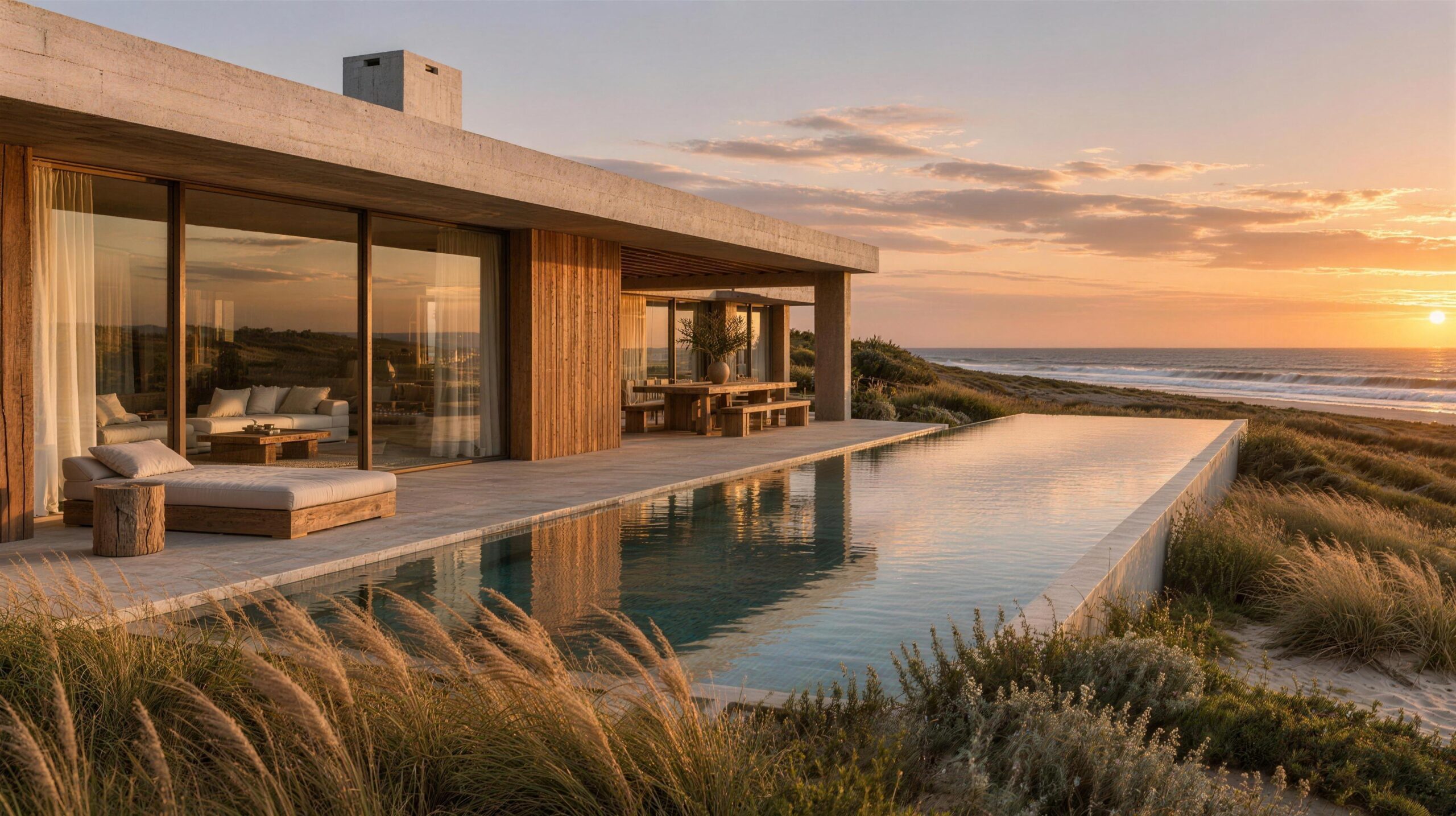
Uruguay real estate has quietly become one of the most sought-after property markets in Latin America for international buyers.
This guide brings everything together in one place: what the market looks like in 2026, where foreigners buy, how the process works, what it costs, what returns to expect and the risks to avoid. Each section links to a detailed article if you want to go deeper.
Table of Contents
Why international buyers choose Uruguay
- Stability: the only full democracy in South America, the least corrupt country in Latin America and investment-grade ratings — see why Uruguay is Latin America’s most stable country.
- Equal rights: foreigners buy on exactly the same terms as citizens, with no residency required.
- Dollar pricing: residential property is priced and paid in US dollars.
- Safety: the most peaceful country in Latin America on the 2026 Global Peace Index — safest countries in South America.
The Uruguay real estate market in 2026
According to the national housing agency, recorded sales in the year to April 2026 averaged about US$2,450 per built square metre: roughly US$2,410 in Montevideo, US$2,100 in Maldonado (Punta del Este) and US$2,850 in Canelones. Dollar prices rose over the year — about 5% in Montevideo, 9% in Maldonado and 11% in Canelones. The buyer mix is changing: fewer Argentines and more Europeans, Brazilians and Americans are buying, often to live here part of the year. Read more in why investors are turning to Uruguay and Uruguay property prices in 2026.
Where to buy property in Uruguay
- Montevideo — year-round city life, schools and hospitals; apartments in Pocitos and Punta Carretas, houses in Carrasco. See Montevideo real estate.
- Punta del Este — the classic beach market: Playa Mansa, Playa Brava, Beverly Hills, Punta Ballena. See Punta del Este real estate.
- La Barra, Manantiales and José Ignacio — the most exclusive stretch of coast.
- Chacras and rural estates — from José Ignacio to Garzón. See buying a chacra in Uruguay.
- Land and building plots — for those who want to build. See buying land in Uruguay.
- Colonia — historic town, an hour from Buenos Aires, with the planned +Colonia tech city.
Property for sale in Uruguay: what you can buy
- Apartments in Montevideo from around US$150,000 in central areas; two-bedroom flats in Pocitos commonly US$200,000–350,000.
- Family houses in Carrasco commonly from around US$450,000.
- Beach apartments in Punta del Este from around US$200,000; houses in Beverly Hills, El Golf or Punta Ballena from around US$900,000.
- Chacras of 3–5 hectares near José Ignacio listed from roughly US$165,000 to over US$1.5 million.
- Luxury homes in José Ignacio and Manantiales listed in the millions.
How buying works
Every purchase is formalised before an independent escribano (notary), who checks the title and registers the deed. Expect total buyer costs of around 6–9% — transfer tax, notary fees and agency commission, each plus VAT where applicable. The full process: how to buy property in Uruguay as a foreigner; for Americans, can a US citizen buy a house in Uruguay.
Rental yields
In Montevideo, gross rental yields typically run around 5–7% in US dollars, with lower net figures after costs; a 2026 survey cited by iProfesional put Pocitos at about 5.1% gross and 3.3% net. Projects under the Vivienda Promovida law offer tax exemptions for up to ten years. In Punta del Este, returns depend on the summer season, when demand peaks.
Taxes and residency
Owning property does not by itself give residency — legal residency is based on income (moving to Uruguay). Tax residency has its own rules, including the 11-year tax holiday, which changed in 2026.
Risks to watch
- Using the seller’s notary instead of your own.
- Underestimating transaction and holding costs.
- Buying on the coast in summer without seeing it in winter.
- Off-plan purchases without checking the developer and payment guarantees.
- Forgetting tax obligations in your home country.
Uruguay real estate: key takeaways
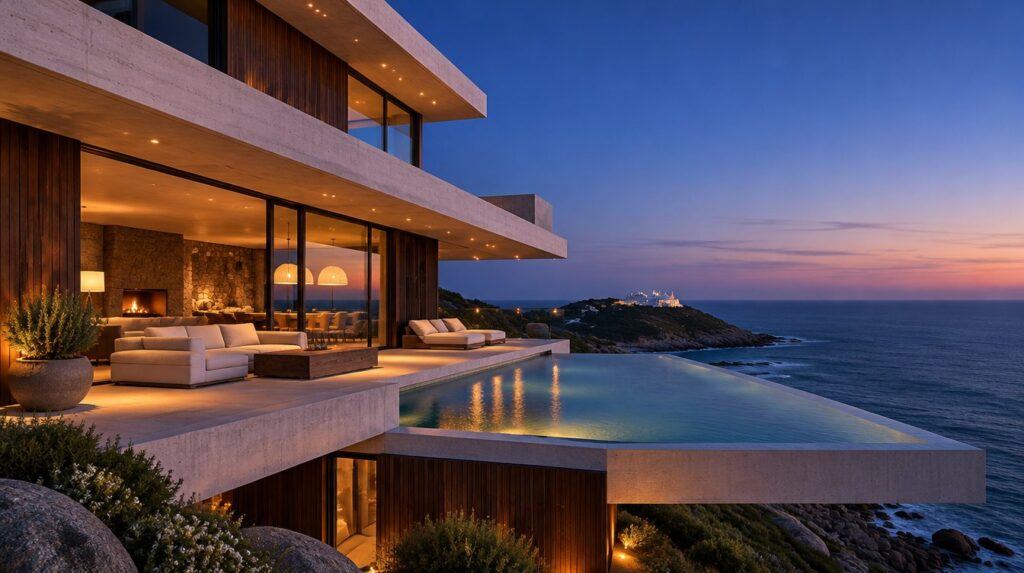
Uruguay real estate offers international buyers stability, equal rights and dollar pricing, with average recorded prices around US$2,450 per square metre and rising. Montevideo suits year-round living and rental investment; Punta del Este, La Barra and José Ignacio suit second homes and luxury; chacras and land suit those seeking space. Work with an independent escribano, budget 6–9% in costs and plan your residency and taxes before you buy.
Frequently asked questions
Can foreigners buy property in Uruguay?
Yes, on the same terms as citizens, with no residency requirement. Rural land is also open to foreigners, with transparency rules on ownership.
Is Uruguay real estate a good investment?
For capital preservation in dollars and stable rental income, many investors think so; it is not a market for quick speculation. Returns depend heavily on location and type.
Where can I find property for sale in Uruguay?
Through registered real estate operators and the main portals. We help international buyers shortlist and verify properties with registered partners.
Related reading
- Who to hire when buying property in Punta del Este
- How to buy property in Uruguay as a foreigner
- Uruguay property prices in 2026
- Why investors are turning to Uruguay
- Punta del Este real estate guide
- Montevideo real estate
- Buying a chacra in Uruguay