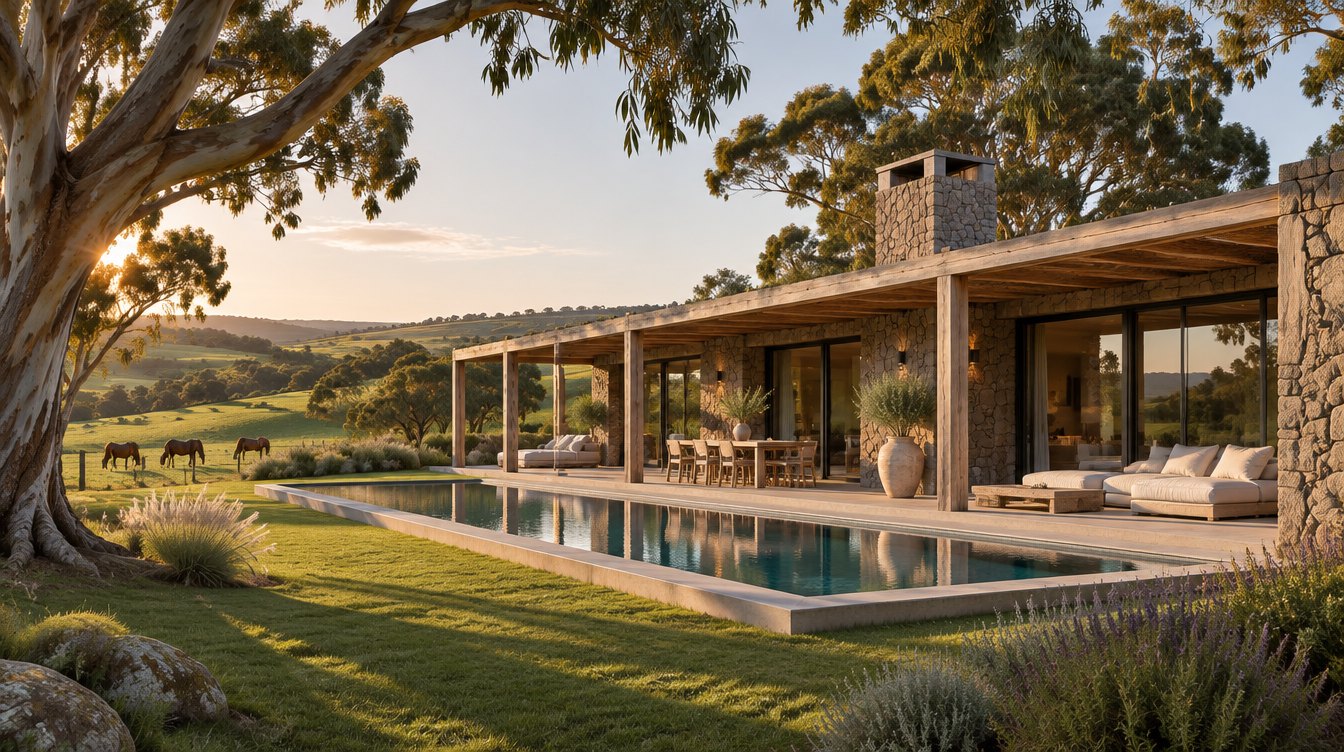
Buying a chacra in Uruguay is the dream of many international buyers: a few hectares of countryside, big skies and the ocean minutes away.
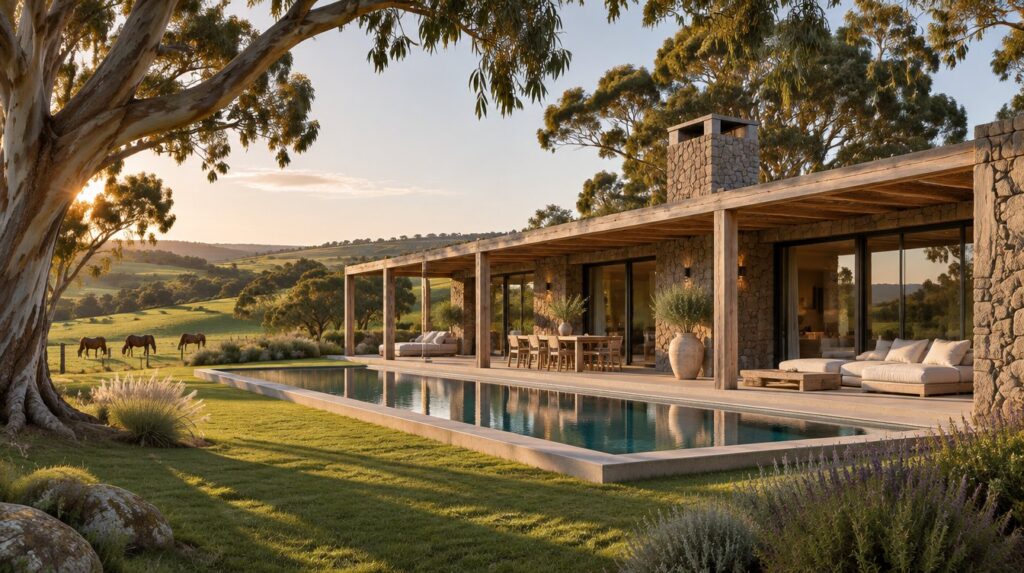
A chacra is a small rural estate, typically between three and ten hectares, often with a main house, a pool, native woodland or a pond. Around José Ignacio, Punta del Este and Garzón, chacras have become one of the most sought-after property types for buyers who want privacy and space without being far from the beach.
Table of Contents
Where to buy a chacra
- José Ignacio and its lagoons: the most prestigious area, with chacras overlooking the José Ignacio and Garzón lagoons and the sea. Developments such as Altos de José Ignacio offer plots of 5 to 10 hectares.
- Punta del Este hinterland: Camino Eguzquiza, Camino del Medellín and the hills behind Punta Ballena and Laguna del Sauce — minutes from the beach and the airport.
- Garzón: a historic village known as “the Tuscany of Uruguay”, surrounded by vineyards, olive groves and hills that rise above 500 metres, with sea views on clear days.
- Rocha and Piriápolis: wilder coastline and lower prices, for buyers who prefer nature over glamour.
What a chacra costs
Prices vary enormously with location, views, water and infrastructure. As a guide from current listings:
- Chacras of around 3 hectares near José Ignacio are listed from roughly US$165,000.
- Plots of 5 hectares in the José Ignacio area commonly list between about US$400,000 and US$500,000 for bare land.
- Prime 5-hectare plots facing the José Ignacio lagoon can reach US$1.5 million.
- Chacras near Garzón, further inland, are often listed well below coastal prices.
- Finished chacras with an architect-designed house, pool and landscaping range from around US$1 million to several million.
Tourist and productive chacras
Some buyers turn their chacra into a small business: a guest house, an events venue, olive oil, wine or horses. Uruguay’s wine route has grown fast — 54 wineries and seven vineyards are now open to visitors, from Carmelo to Garzón — and rural tourism is actively promoted abroad. If you plan a commercial use, check zoning, permits and access with your escribano and the local authority before buying.
Practical points before you buy
- Size and subdivision: rural plots follow planning rules on minimum sizes; many coastal chacras are sold in units of around 3 to 5 hectares.
- Access and services: check year-round road access, electricity, water (well or pond), internet coverage and mobile signal.
- Security and maintenance: empty houses in winter need a caretaker or monitoring.
- Ownership rules: foreigners can buy rural land; transparency rules apply to companies — see buying land in Uruguay.
- Building: if you buy bare land, budget for architect, permits and construction — and time.
Buying a chacra in Uruguay: key takeaways
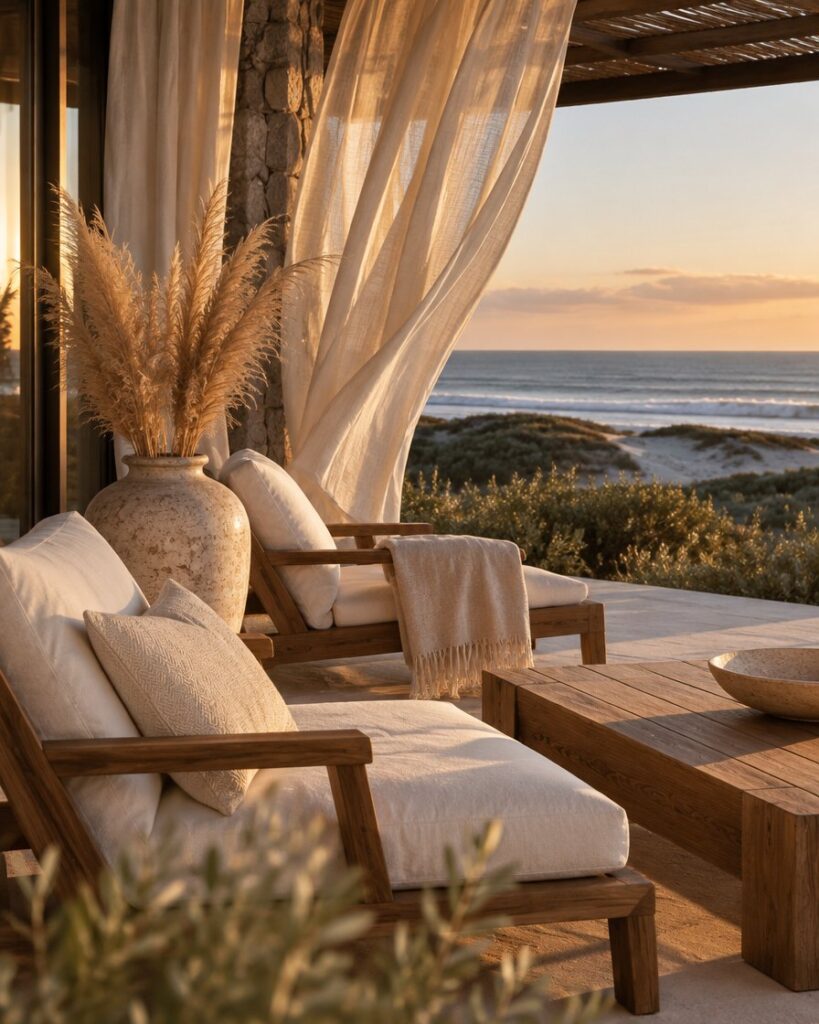
Buying a chacra in Uruguay gives you space, privacy and nature close to the coast. José Ignacio and its lagoons are the premium address, the Punta del Este hinterland offers convenience, and Garzón adds vineyards and a rural art scene. Prices range from around US$165,000 for small plots to several million for finished estates. Check access, water, zoning and security, and use an independent escribano before you commit.
Frequently asked questions
What is a chacra in Uruguay?
A small rural property, usually 3–10 hectares, used as a country home, second residence or small farm.
Can foreigners buy a chacra?
Yes. Foreigners can buy rural property on the same basis as Uruguayans; only foreign states are prohibited from buying rural land.
Is a chacra a good investment?
Chacras near José Ignacio have shown strong demand, but they are less liquid than city apartments. Buy for lifestyle and long-term value — see investing in Uruguay.
Related reading
- Building a house in Uruguay: costs and permits
- Punta del Este real estate guide
- Buying land in Uruguay
- Uruguay real estate: the complete guide
- Montevideo vs Punta del Este