Investing in Uruguay has moved from a regional secret to a global conversation.
For decades, Uruguay’s property market was driven mainly by Argentine buyers seeking a safe place for their dollars. That is changing. Europeans, Americans and Brazilians are arriving in greater numbers — many not just to invest, but to live. Here is what is behind the trend.
Table of Contents
A new mix of buyers
- Europeans: law firm Guyer & Regules reported that most clients seeking residency are German and Swiss, followed by Americans, according to Forbes Argentina.
- A rush before the 2026 tax change: at the end of 2025, El Observador reported a wave of investments — largely from German clients — as buyers secured the previous tax-residency rules, with the largest deals in beachfront apartments on Playa Mansa. Interest from Europeans continued into 2026, many now motivated by lifestyle rather than tax.
- Brazilians: luxury purchases by Brazilian buyers are a growing trend, Prensa Mercosur reported in October 2026.
- Americans: the tech community Praxis announced a projected US$1 billion for its first city in +Colonia.
- Argentines: still important, but their share has fallen as Argentina’s own market recovered — around 10% of property searches in mid-2026.
More than 122,000 foreigners now live in Uruguay, according to the national statistics institute.
Why investors choose Uruguay
- Rule of law: secure property titles, independent courts and no restrictions on foreign ownership.
- Dollar assets: property is priced in US dollars and capital can be repatriated freely.
- Political stability: gradual policy change and investment-grade credit ratings — why Uruguay is Latin America’s most stable country.
- Tax incentives: the tax holiday for new residents and the Vivienda Promovida regime for new housing.
- Infrastructure: nationwide fibre, Latin America’s first commercial 5G network and free trade zones with more than 1,300 companies.
Where investors put their money
- Rental apartments in Montevideo — gross yields around 5–7% in dollars — see Montevideo real estate.
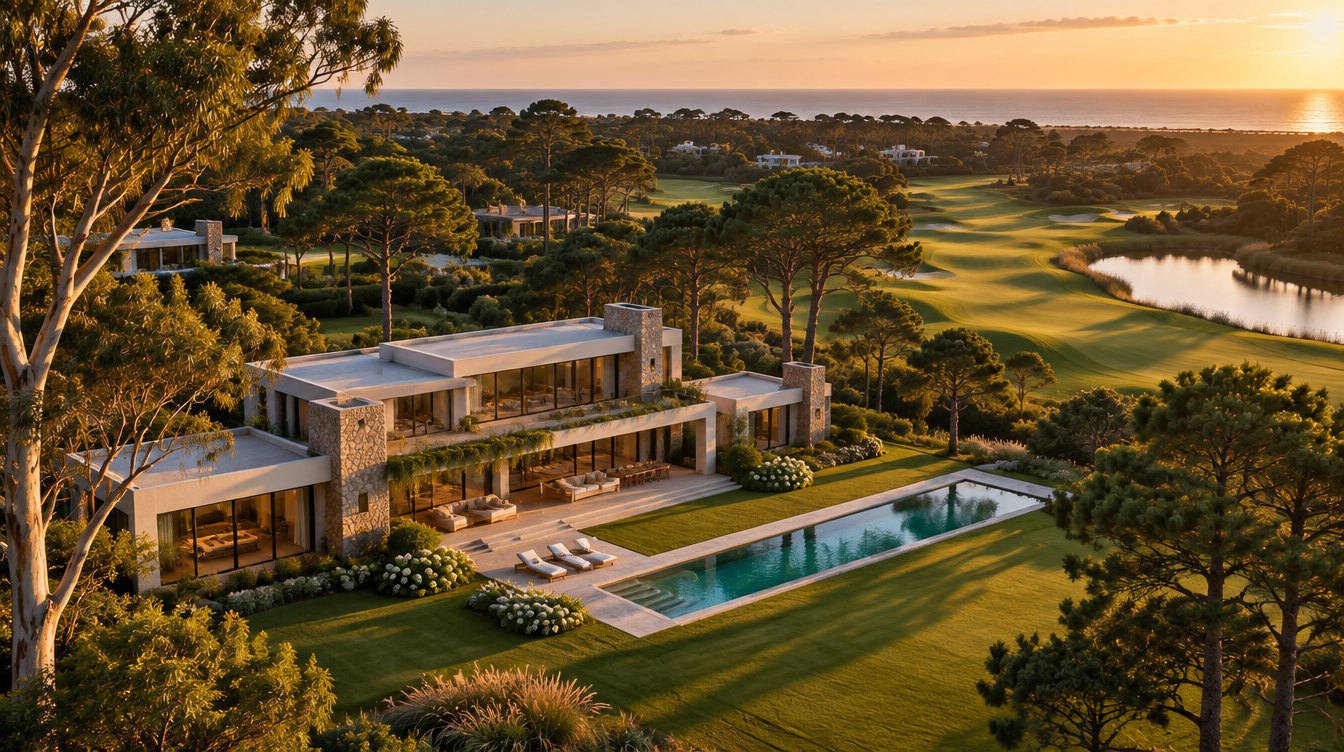
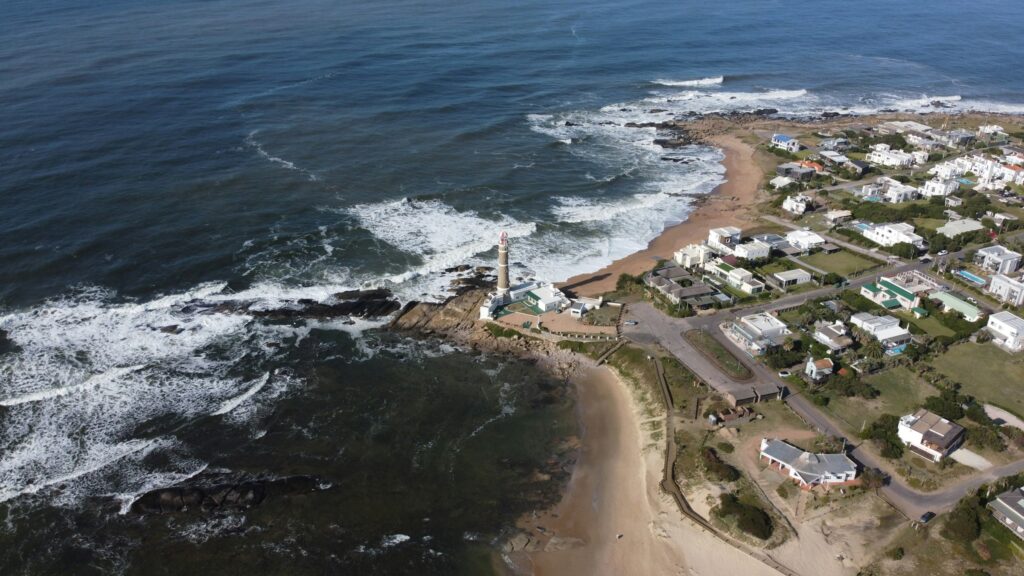
- Beachfront and luxury property in Punta del Este — capital preservation and lifestyle — see Punta del Este real estate.
- Chacras and rural land near José Ignacio and Garzón — space, privacy and agritourism — see buying a chacra.
- Land for development — see buying land in Uruguay.
What to keep in mind
- Uruguay is a market for preserving and steadily growing capital, not for quick flips.
- Prices are high for the region, and transaction costs run around 6–9%.
- Residency is based on income, not property; tax residency has separate rules.
- Seasonality on the coast affects rental income.
Investing in Uruguay: key takeaways
Investing in Uruguay appeals to a broader international audience than ever: German, Swiss and American buyers seeking residency, Brazilians buying luxury homes and tech communities planning new cities. The attraction is stability, secure property rights, dollar pricing and a calm quality of life. Choose the asset — city apartment, beach home, chacra or land — to match your goal, and get local advice before you commit.
Frequently asked questions
Is it a good time to invest in Uruguay?
Demand from Europeans and Brazilians is rising while Argentine demand has cooled, and dollar prices have grown moderately. Timing matters less than choosing the right location and asset.
Can foreigners invest in Uruguayan real estate?
Yes, on equal terms with citizens — read Uruguay real estate: the complete guide.
Related reading
- 16 facts about Uruguay, checked
- Uruguay real estate: the complete guide
- Uruguay’s 2026 tax holiday
- Praxis and +Colonia
- Why Uruguay?