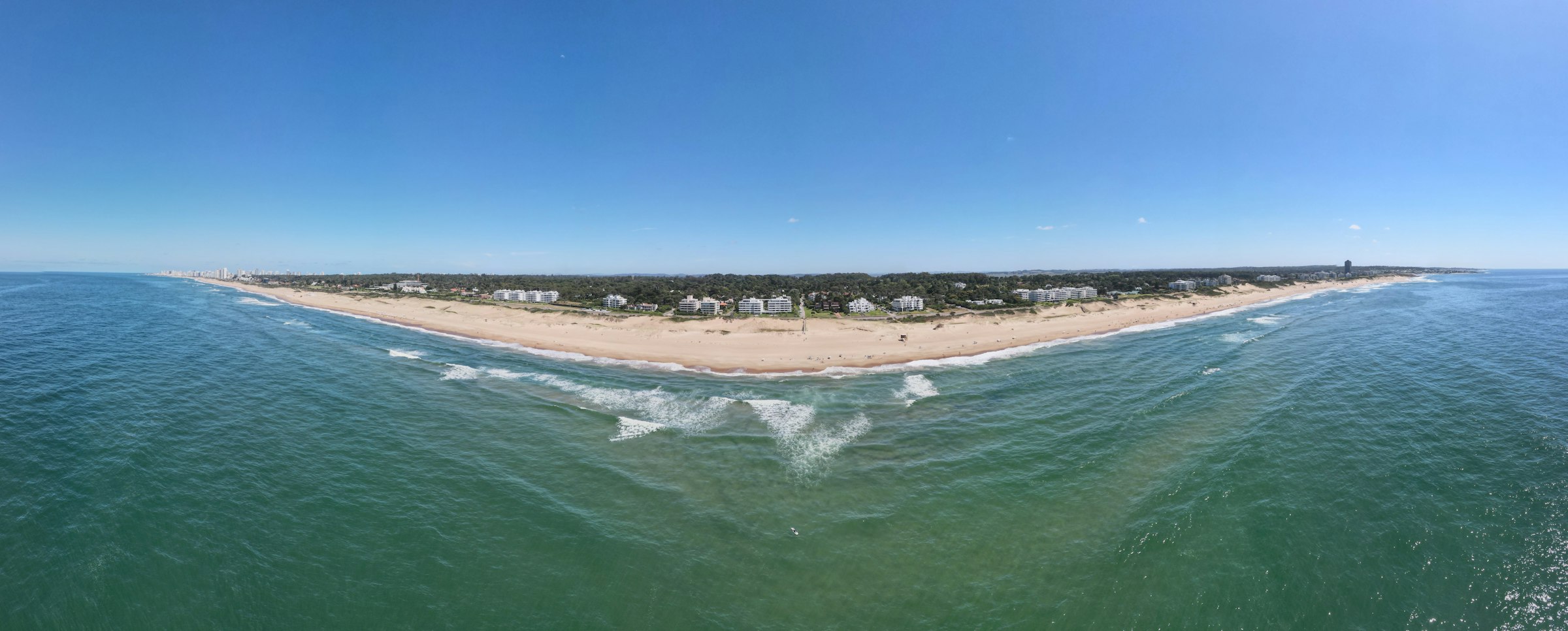
Is Uruguay safe? For most residents and visitors the answer is yes, but the details matter.
Uruguay has a reputation as one of the calmest countries in Latin America — and on most international measures it deserves it. But “safe” depends on where you are and what you compare it with. This is an honest look at the data, written for people thinking of buying or living here, not for a tourism brochure.
Table of Contents
The short answer
Yes: for most residents and visitors, Uruguay is a safe country to live in, especially in the neighbourhoods and coastal towns where international buyers usually settle. In the 2026 Global Peace Index it remained the most peaceful country in Latin America and the Caribbean. It also has the region’s strongest democracy and lowest perceived corruption — see why Uruguay is Latin America’s most stable country.
That said, crime exists and has grown over the past decade, so it is worth understanding where the risk actually sits.
What the official figures say
- Homicides: Uruguay recorded 369 homicides in 2025, slightly fewer than in 2024, according to the Ministry of the Interior — a rate of roughly 10 per 100,000 people.
- Concentration: most violent crime is linked to disputes between local drug gangs and is concentrated in specific peripheral neighbourhoods of Montevideo and a few interior towns, not in the areas where most foreign residents live.
- Travel advisory: the US State Department rates Uruguay Level 2, “exercise increased caution”, due to crime — the same level it gives to countries such as France, Italy and Spain.
Is there cartel activity in Uruguay?
Uruguay does not have cartels controlling territory in the way some countries in the region do. What it does have is local drug-dealing gangs and, because of its port, some activity linked to international drug trafficking routes. The Ministry of the Interior has linked a large share of 2025 homicides to organised crime, and the government has made homicide reduction the centrepiece of its 2025–2035 National Public Security Plan. For residents, the practical impact is mostly limited to the specific areas where these groups operate.
Where international buyers feel safest
- Montevideo: Carrasco, Punta Carretas and Pocitos — busy, well-lit coastal neighbourhoods with private security in many buildings.
- Punta del Este and the east coast: gated communities, Beverly Hills, El Golf, La Barra, Manantiales and José Ignacio.
- Chacras: rural estates near the coast, where the main concerns are opportunistic theft from empty homes.
Compare the lifestyle of each area in our guide to Montevideo vs Punta del Este, or see where most Americans live in Uruguay.
Practical precautions
- Treat Montevideo like any large city: watch phones and bags on busy streets and avoid unfamiliar outer neighbourhoods at night.
- Choose buildings with 24-hour security or homes in gated communities if you will be away for long periods.
- Ask your agent and escribano about alarm systems, caretakers and insurance when you buy property in Uruguay.
- Seasonal homes on the coast are most exposed in winter, when they are empty — plan for monitoring.
Frequently asked questions
Is it safe to go to Uruguay right now?
Yes. The country is stable and the advisory level is the same as for much of Western Europe. Use normal big-city precautions in Montevideo.
Which is safer, Uruguay or Argentina?
In the Global Peace Index 2026 Uruguay ranked 43rd in the world and Argentina 72nd, although the two were close in 2025. See the full ranking of the safest countries in South America.
Is Punta del Este safe?
Punta del Este and the eastern coast are among the safest parts of the country for residents. The main issue is property crime in empty seasonal homes, which good security largely prevents.
Is Uruguay safe? Key takeaways
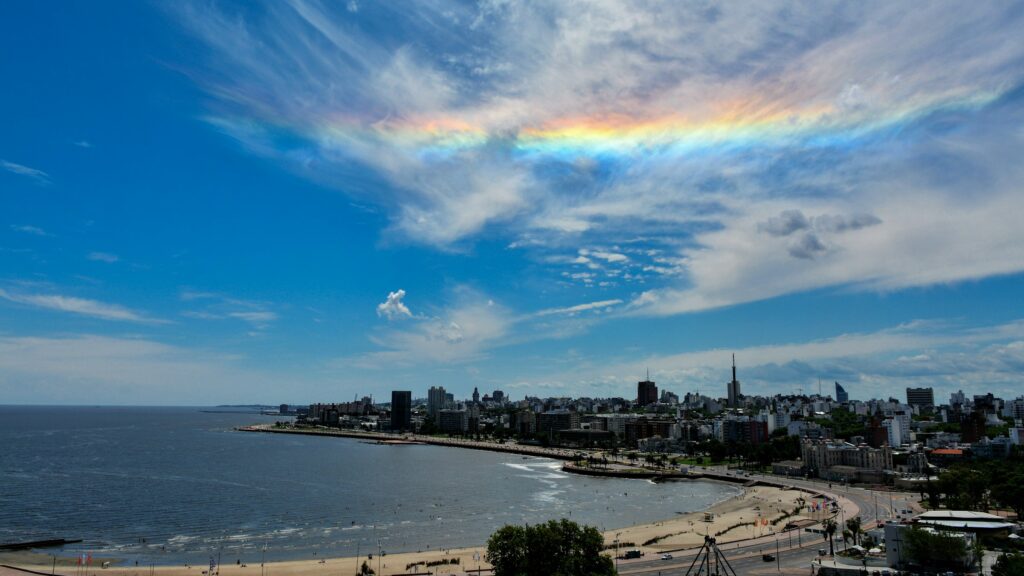
So, is Uruguay safe? It is the most peaceful country in Latin America on the Global Peace Index, with stable institutions and low political risk. Crime exists and is concentrated in specific neighbourhoods, so choosing the right area — Carrasco, Punta Carretas, Pocitos, Punta del Este or José Ignacio — and taking normal precautions makes daily life calm and secure for most foreign residents.
Related reading
- 16 facts about Uruguay and its firsts
- Why Uruguay? Latin America’s most stable country
- Where do Americans live in Uruguay?
- Moving to Uruguay: residency and first steps
- Cost of living in Uruguay vs the US
- Safest countries in South America (2026)
- Uruguay real estate: the complete guide