Expats in Uruguay are a small but growing community, concentrated in a few places.
There is no official count of Americans in Uruguay, and the community is small compared with Mexico or Costa Rica. But North Americans — together with a growing number of Europeans — tend to cluster in a handful of places. Here is where, and why.
Table of Contents
Montevideo: Pocitos, Punta Carretas and Carrasco
The capital is where most foreign families settle, thanks to international schools, hospitals, the airport and year-round life. Pocitos and Punta Carretas offer apartment living along the Rambla; Carrasco offers houses, gardens and the main international schools. Local agents consistently name these three as the expat favourites.
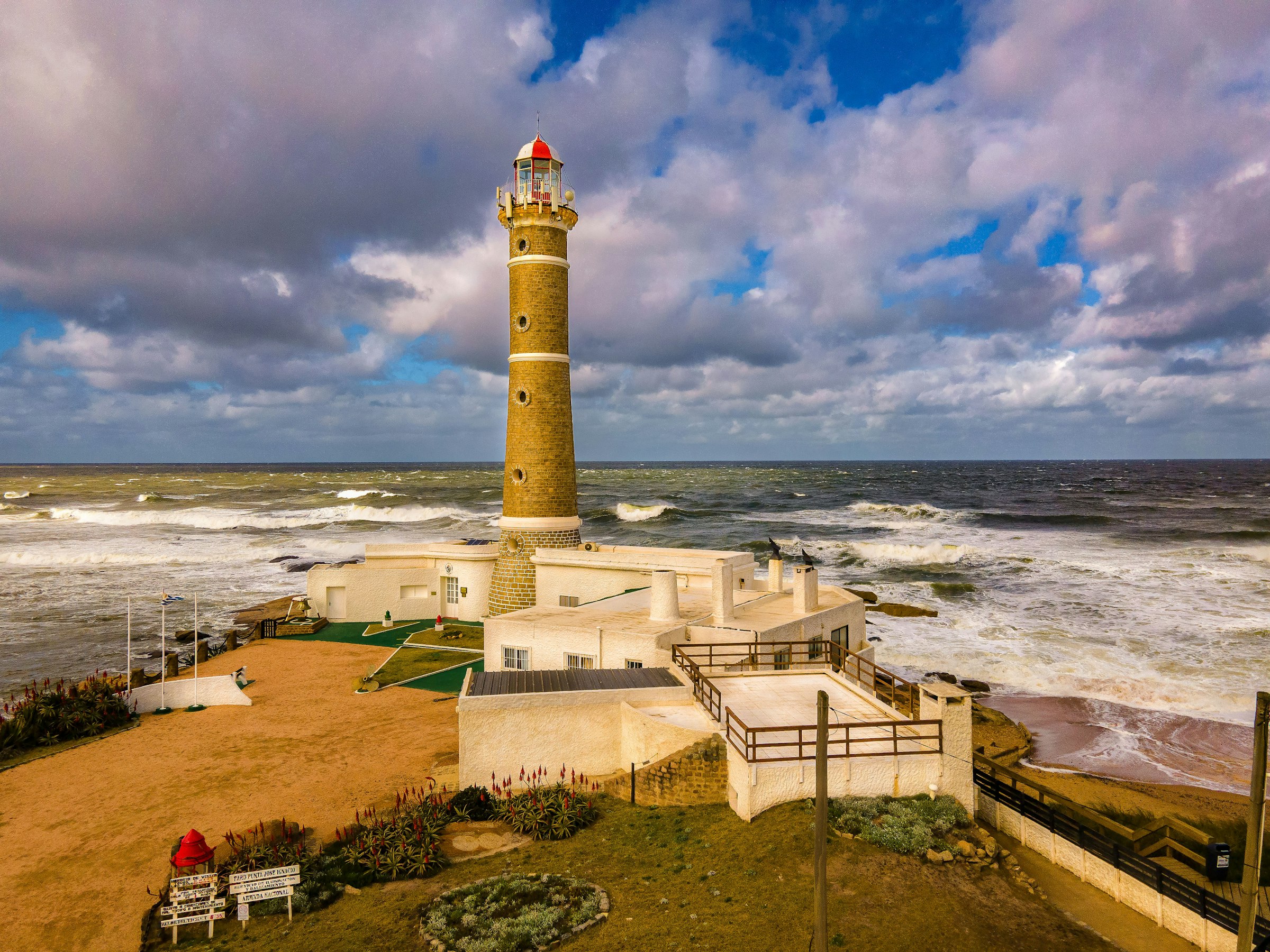
Punta del Este, La Barra and José Ignacio
The coast attracts second-home owners and those who want a resort lifestyle. American buyers have become especially visible in José Ignacio, sometimes compared to the Hamptons. Beverly Hills and El Golf, minutes from the peninsula, suit families who live there year-round.
Colonia del Sacramento
A UNESCO-listed historic town on the River Plate, an hour by ferry from Buenos Aires. It attracts retirees and creatives looking for a small, walkable town. Nearby, the planned smart city +Colonia has drawn international attention after the tech community Praxis announced its first city there.
The Costa de Oro and Piriápolis
Between Montevideo and Punta del Este, towns such as Atlántida and Piriápolis offer beach life at lower prices, with year-round communities.
How to choose
- Children at school and year-round life: Montevideo, especially Carrasco.
- A seasonal base and the beach: Punta del Este, La Barra, José Ignacio.
- Small-town charm: Colonia.
- Value by the sea: the Costa de Oro and Piriápolis.
Compare budgets in cost of living in Uruguay and property prices by area.
Frequently asked questions
Is Uruguay friendly to Americans?
Yes. Uruguayans are generally welcoming and relaxed, and English is widely spoken in the professional and expat circles of Montevideo and Punta del Este, although Spanish makes daily life much easier.
Is it safe for Americans in Uruguay?
The areas listed here are among the safest in the country, and Uruguay leads the safest countries in South America. See our detailed guide: is Uruguay safe?.
Can I retire in Uruguay as a US citizen?
Yes — see retiring in Uruguay as a US citizen.
Expats in Uruguay: key takeaways

Most expats in Uruguay settle in Montevideo — Pocitos, Punta Carretas and Carrasco — or on the coast in Punta del Este, La Barra and José Ignacio, with smaller communities in Colonia and along the Costa de Oro. Families choose Montevideo for schools and services; second-home owners choose the coast. Visiting each area before buying is the best way to decide.
Related reading
- Montevideo vs Punta del Este
- Moving to Uruguay
- Is Uruguay safe?
- Uruguay property prices in 2026
- Montevideo real estate
- Punta del Este real estate guide